

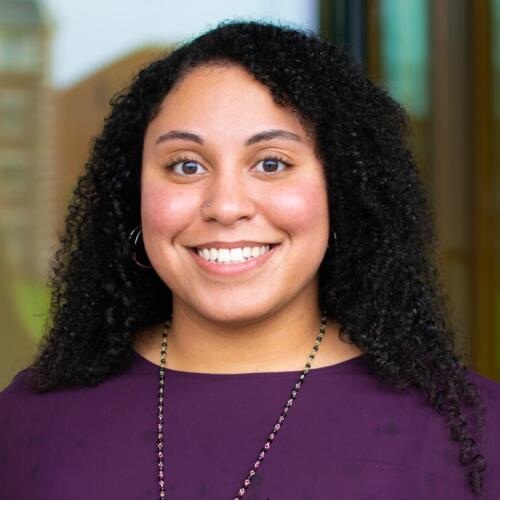
 Melissa Durland started as the director of the UW Psychological Services and Training Center (PSTC) this summer. Get to know Melissa better with this Q&A.
Tell us a bit about yourself and your path to becoming the Director of the Training Center.
I grew up in Colorado, born in Denver and raised in a rural/agricultural area. I received my bachelor’s degree from Colorado College where I double majored in Psychology and Feminist and Gender Studies. After that, I went to grad school at the University of Oregon and worked with Dr. Jennifer Freyd. My academic work shaped my values in thinking about many levels of a situation: individual, collective, organizational, and societal. I used my dissertation to test a theory I developed called Collective Ongoing Betrayal Trauma. This theory integrates betrayal trauma, institutional betrayal, collective trauma, vicarious trauma, and intersectionality to understand the mental health consequences for marginalized communities of indirect exposure (e.g., through social media) to police violence. I’ve been in Seattle since 2021, when I moved here for an internship at the Seattle VA. While at the VA, I specialized in treatment for PTSD, substance use disorders, and relationship difficulties.
On a personal level, I have an 11-year-old cuddly cat and my husband and I just celebrated our first elopement anniversary! We had a bigger wedding this past August with many family and friends. I love Seattle summers and am still getting used to Seattle dreary winters. During the summer, I spend a lot of time in/on the water. I’m so happy that the lake is only minutes away from Kincaid. I’ll be eating many lunches there!
Why were you interested in becoming the Director of the Training Center and what are some of the initiatives in the Training Center you're excited to implement?
One of the great things about earning a clinical psychology doctoral degree is the flexibility the training gives us in our careers. I have intentionally sought a career in which I can do it all: clinical work, research, teaching/supervision, and advocacy/policy work. As the Director of the PSTC, I truly get to do it all and I’m loving it! It has been absolutely wonderful getting to know everyone and it is an honor to train my first cohort of students (they are crushing it!).
I could describe so many things I’m excited to collaborate on in the next few years! One initiative I am passionate about is increasing regular interaction with communities in the Seattle area. I would love to see consistent opportunities for students to interact with community members and talk about mental health and the benefits of therapy. I’m also really excited to continue collaborating with the specialty clinics in our training center to increase access to training for students and services for the community.
Can you share a bit about the Training Center in terms of who it trains and serves?
The Psychological Services & Training Center is the primary training center for doctoral students in the University of Washington clinical psychology program. The PSTC is housed within the Department of Psychology and mental health services are provided by graduate students under the supervision of licensed mental health professionals.
The Training Center consists of five clinics: Main/General Clinic, CALM Clinic (anxiety, OCD, and trauma-related disorders), MML DBT Clinic, LEARN clinic (neuropsychological assessments), and the Parent Child Clinic (behavioral parenting). The Training Center provides low-cost, high-quality, time-limited, evidence-based assessment and treatment to the UW and Seattle metropolitan communities.
We provide therapy for adults, teens, parents, and children experiencing many common difficulties including depression, social anxiety, phobias, panic attacks, generalized anxiety, OCD, trauma, sleep problems, PTSD, and childhood behavioral issues. We also provide group therapy for adults and adolescents through our Marsha M. Linehan Dialectical Behavioral Therapy specialty clinic.
Broadly, we focus on understanding the connections between our thoughts, feelings, and behaviors so that we can practice skills and strategies to change unhelpful thought patterns and behaviors to improve emotional well-being. We provide culturally sensitive and affirming mental health services that acknowledge and incorporate important (and often marginalized) identities.