

This Spring quarter, 11 students were named 2025-2026 James Steele Scholars. Thanks to the generous support of the James Steele Endowed Scholarship, the Psychology Department is able to provide financial support to students who have shown a strong interest in clinical psychology.
This year's James Steele Scholars are: Tavio Tovar, Bogdan Brunsh, Ryan Kang, Sophia Kim, Maria Bazzano, Rachel Li, Palak Jain, Sherry Zheng, Joshua Kwan, Hailey Nappen, Melisa Shafiee.
Read about how receiving the James Steele Scholarship has made a difference in several recipients' academic journeys.
Bogdan Brunsh
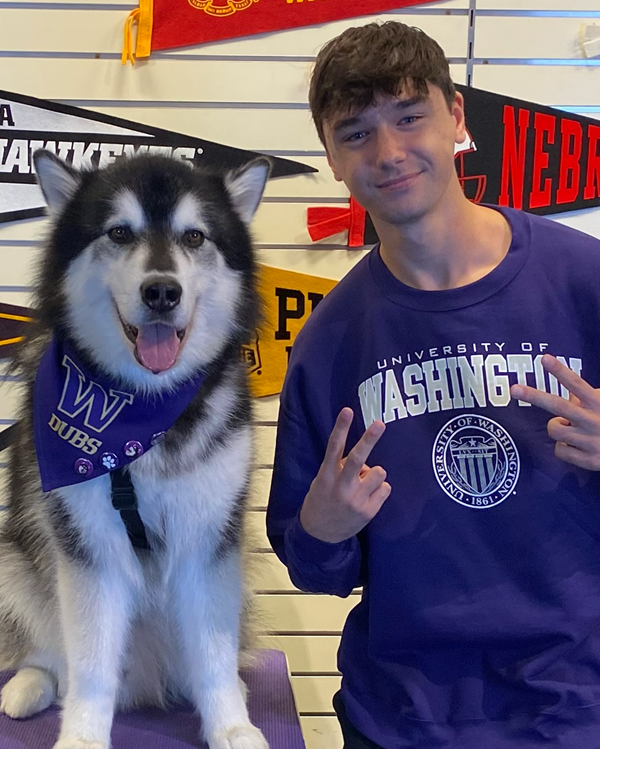 Tell me a little bit about your pathway to UW.
As a first generation college student, my pathway to the University of Washington has been shaped by resilience and purpose. My family immigrated from Ukraine in search of greater opportunity, and their sacrifices inspired my commitment to education. I began through the Running Start program at Edmonds College, where I completed my Associate of Arts degree during the COVID-19 pandemic. Transferring to UW was a meaningful milestone as the first in my family to attend a university in the United States.
Tell me about what inspired you to study psychology.
My interest in psychology comes from personal experience and a deep sense of empathy. Growing up, I saw how intergenerational trauma and cultural stigma affect mental health. Watching people I care about struggle without clear support motivated me to understand how psychology can help bridge those gaps. I am especially interested in how neuroscience, culture, and social structures influence mental health, and I hope to make care more accessible for all communities.
What are some highlights of your UW experience so far?
A highlight of my UW experience has been serving as a peer leader in the psychology department. I supported other students while working with a group of peer leaders who each brought different perspectives. This role allowed me to lead discussions, share ideas, and build community. Even academically, I witnessed how psychology shapes teamwork, communication, and human connection.
Talk about what receiving the James Steele Scholarship means for you.
Receiving the James Steele Scholarship is an honor and a source of support. As a first generation student, it gives me resources that help me stay focused on my goals. It also recognizes my hard work and motivates me to keep growing.
What are your plans post-UW?
After UW, I plan to pursue graduate studies in clinical and counseling psychology. As a bilingual speaker with ties to the Slavic community and experience studying Spanish, I hope to work closely with diverse populations. My goal is to expand access to mental health services by bridging language and cultural barriers and providing care that is both effective and deeply understood.
Hailey Nappen
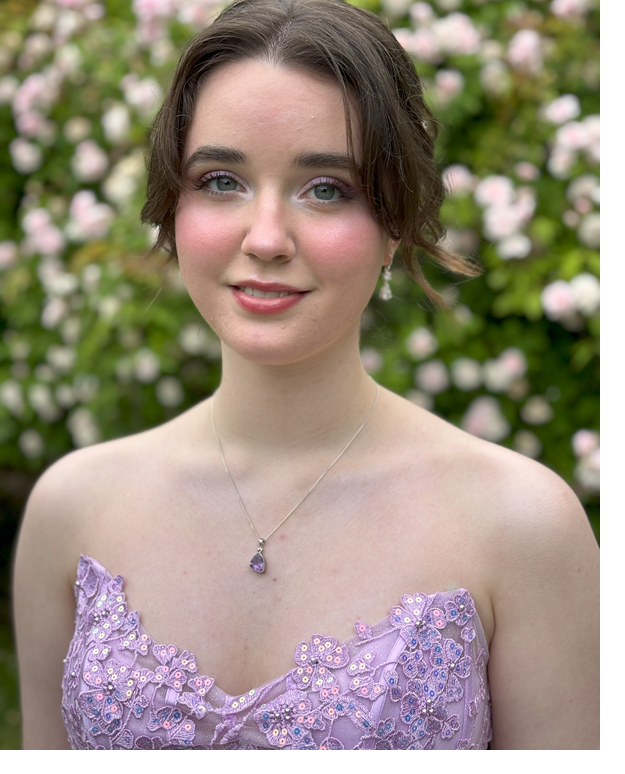
Tell me a little bit about your pathway to UW.
As a Puget Sound-born Washingtonian, I have always pictured UW as my future.
Tell me about what inspired you to study psychology.
I have always been fascinated with what makes each human's brain different from the next. My journey with ADHD inspired me to see what I could do with this long-held fascination at UW. I wish to be at the forefront of ADHD and Autism research, deepening the field’s understanding of these neural differences to help people.
What are some highlights of your UW experience so far?
Being involved in undergraduate research at UW has been such a fulfilling experience.
Talk about what receiving the James Steele Scholarship means for you.
I feel so incredibly grateful and humbled to have been selected to be a James Steele Scholar. Receiving this scholarship has helped reduce the stress higher education often brings, so that I may dedicate myself fully to my academic dreams.
What are your plans post-UW?
I plan to pursue a PhD in Clinical Psychology and plan to specialize in assessing adults with ADHD and Autism, contributing to the field as both a clinician and researcher. I wish to help people on their journey in discovering and working with their neurodivergence.
Maria L. Bazzano
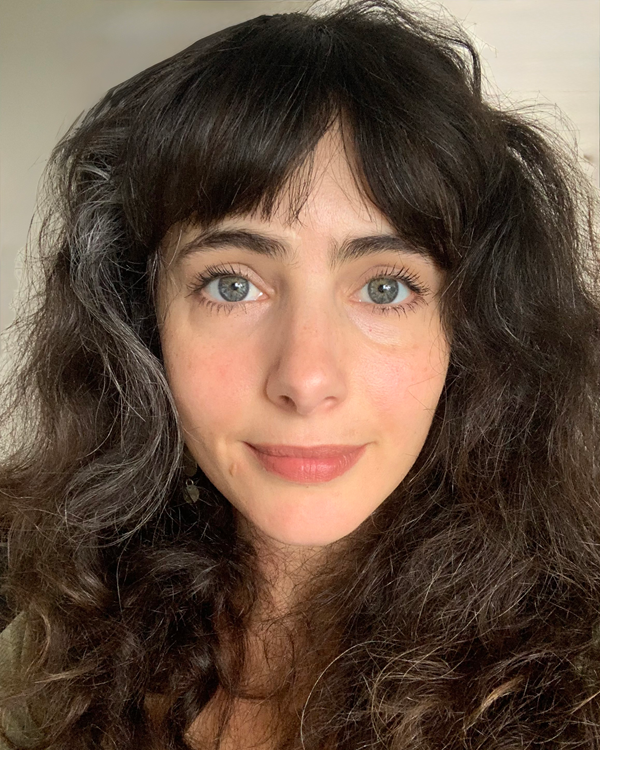 Tell me a little bit about your pathway to UW.
I grew up in Buenos Aires, Argentina, and I was studying psychology when a life event changed my path quite drastically. I had to pause my studies and immigrate to Washington. I always knew I wanted to continue my education, but I kept hearing how hard and unaffordable college was in the U.S., and that intimidated me.
Everything shifted when my friend Lean told me something different—he said it was possible with the right support. He connected me with Northwest Education Access, and that became the starting point of my journey. I completed my associate’s degree at Seattle Central College and then transferred to the University of Washington, which truly felt like a dream come true. Looking back, it wasn’t a straight path, and it wasn’t easy either, but it was one built step by step, with the support of people who love me and who believed in me.
Tell me about what inspired you to study psychology.
I remember attending a welcoming event for new UW students, where many speakers shared that their paths hadn’t been linear. I remember thinking “Yay! I’m not the only one with a “wiggly wobbly” path!”
My interest in psychology actually began through drama. When I was studying theater, it felt essential to understand, without judgment, the inner world of the characters I was portraying—what were their motivations, emotions, and histories? As I became more curious about emotions and how they communicate through the body, and how they shape the body’s expression, I began exploring body-oriented psychotherapy. I later became a Vital Expressive Movement facilitator and led classes for women and their children living in a shelter for survivors of domestic violence and human trafficking. That experience was a turning point for me. That was when I realized that I wanted to support these women more deeply, but didn’t yet have the tools or skills to do so in a comprehensive way. That’s when I decided to pursue psychology.
What are some highlights of your UW experience so far?
One of the things I love most about UW is the diversity of the community. I love walking around campus and hearing different languages, getting to connect with people from different cultures, from so many backgrounds and identities. It has been an incredibly humbling and enriching experience.
I’ve also been really grateful for the opportunity to be involved in research at the ADAPT Lab under the mentorship of Dr. Lui, and to present at the Undergraduate Research Symposium. That experience helped me connect what I was learning in the classroom with real-world questions about mental health, diverse communities, and the current state of science.
Another highlight has been serving as a peer partner for transfer students. Being able to support others the way I was once supported felt very rewarding. Along the way, I’ve built strong friendships that have been an incredible source of support during my time at UW. Being involved in student organizations and advocating for students has also been an important part of my experience as it’s helped me feel connected not only to other students, but also to a larger purpose.
Talk about what receiving the James Steele Scholarship means for you.
Receiving the James Steele Scholarship is truly an honor. In many ways, it feels like a confirmation that I’m on the right path. There have been—and still are—moments in my journey when pursuing higher education feels uncertain or even out of reach, so being recognized in this way means a lot to me. It’s not only financial support, but also a reminder that I’m not alone, and that putting myself out there and sharing who I am and what I care about can be meaningful, and can open the door for others to support me. It reminds me that the work I’m doing matters, and that there are people who believe in me.
It also motivates me to keep going. It’s a reminder that I need to continue showing up with intention and to give back in ways that reflect the support I’ve received.
What are your plans post-UW?
Continuing at UW! My next step is to pursue a Master’s in Clinical Social Work at UW. After that? I’m interested in working in a hospital setting as part of an interdisciplinary team. I would love to become a mental health therapist supporting children and adolescents, and also continue working with the Latine community.
I’d love to continue my education and explore approaches that go beyond traditional talk therapy––integrating play, art, and somatic work––because I believe that creativity and the body, alongside words, are immensely powerful in the healing process. I feel that the body holds knowledge of its own, offering access to what may be unconscious and opening space for expression in ways that can feel more liberating.
Melisa Shafiee
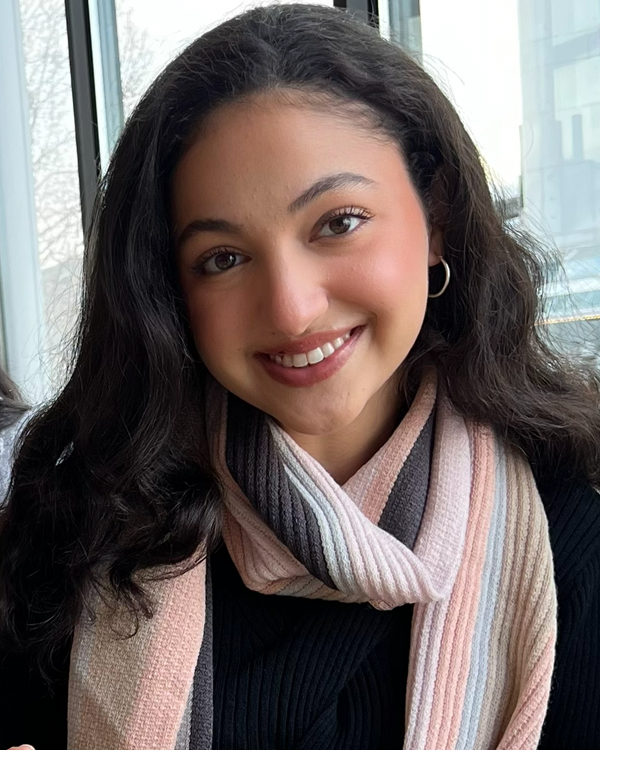 Tell me a little bit about your pathway to UW?
I attended high school during the Covid-19 pandemic, and was struck by the impact of the pandemic on youth mental health. This motivated me to contribute to city government and non-profit initiatives in my hometown of Bellevue, Washington, with the goal of driving efforts to increase accessibility of mental health resources for all youth. I aimed to continue my education at the UW, expanding my knowledge on ways to meet the mental health needs of my community through interdisciplinary coursework and practical fieldwork.
Tell me about what inspired you to study psychology.
During high school, I took part in an internship where I supported adults with neurodevelopmental disabilities by facilitating community engagement activities. Through that experience, I learned how studying psychology can be used to break barriers faced by commonly marginalized groups. This shaped my goal of pursuing a psychology degree to apply my growing scientific knowledge of understudied groups toward developing equity-driven mental health interventions.
What are some highlights of your UW experience so far?
In January 2026, I had the opportunity to present my work for the UW Psychology Honors Program at the American Professional Society of ADHD and Related Disorders in San Diego, California. I was especially inspired by the many presentations focused on applying a culturally inclusive lens toward ADHD research, which is a goal I have for my future work. Additionally, presenting my own work to a diverse audience was a meaningful step toward my career in clinical psychology research.
Talk about what receiving the James Steele Scholarship means for you.
Receiving the James Steele Scholarship is deeply meaningful to me, as it has reaffirmed my passion of pursuing a career in the clinical psychology field. This spring, I have been able to direct more time and thorough attention towards wrapping up my honors research, and towards beginning the second stage of my study. I feel extremely grateful for the opportunity to pursue this research alongside my mentor and fellow labmates.
What are your plans post-UW?
After graduating this June, I look forward to continuing the second stage of my honors project within Dr. Sibley’s lab, analyzing qualitative data to understand adult ADHD trajectories across the lifespan. I also look forward to contributing to an additional project within Dr. Sibley’s lab, where I will continue to improve my understanding of mental health across various age groups.
Rachel Li
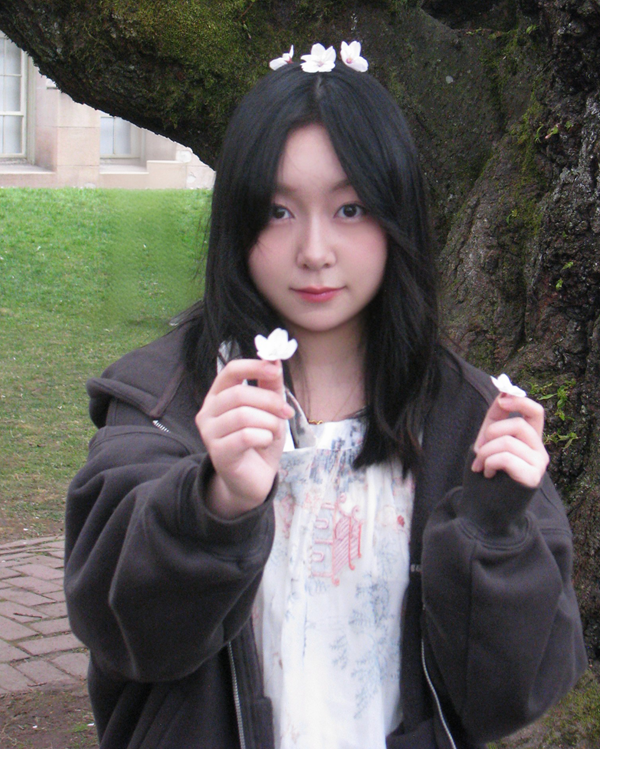 Tell me a little bit about your pathway to UW?
I came to the University of Washington with an interest in both the biological and psychological foundations of mental health, which led me to pursue a double major in Psychology and Biochemistry. At UW, I became deeply involved in research on mental health and health disparities, which has shaped my academic path and long-term goal of pursuing a PhD in clinical psychology.
Tell me about what inspired you to study psychology.
I was initially drawn to psychology through seeing friends around me struggle with mental health challenges, which made me interested in how these issues can be better understood and addressed. Over time, this developed into a deeper interest in psychological interventions and how social and structural factors shape mental health outcomes.
What are some highlights of your UW experience so far?
One of the highlights of my UW experience has been the breadth of my involvement across research, clinical, and leadership settings. I have worked in labs across three different departments, which allowed me to approach mental health from multiple perspectives. I also volunteered at UW Medical Center, including serving as an emergency department assistant, where I gained direct exposure to patient care. In addition, I served as president of Hua Psychology, where I led initiatives to support students interested in psychology and mental health.
Talk about what receiving the James Steele Scholarship means for you.
Receiving the James Steele Scholarship is both an honor and a meaningful source of encouragement. It recognizes my academic work and motivates me to continue pursuing research that addresses mental health disparities and supports underserved communities.
What are your plans post-UW?
After UW, I will be attending Stanford Medicine’s Community Health Prevention Research program to further my training in mental health and health disparities. I then plan to pursue a PhD in clinical psychology, focusing on developing accessible, culturally responsive digital and community-based interventions.
Ryan Kang
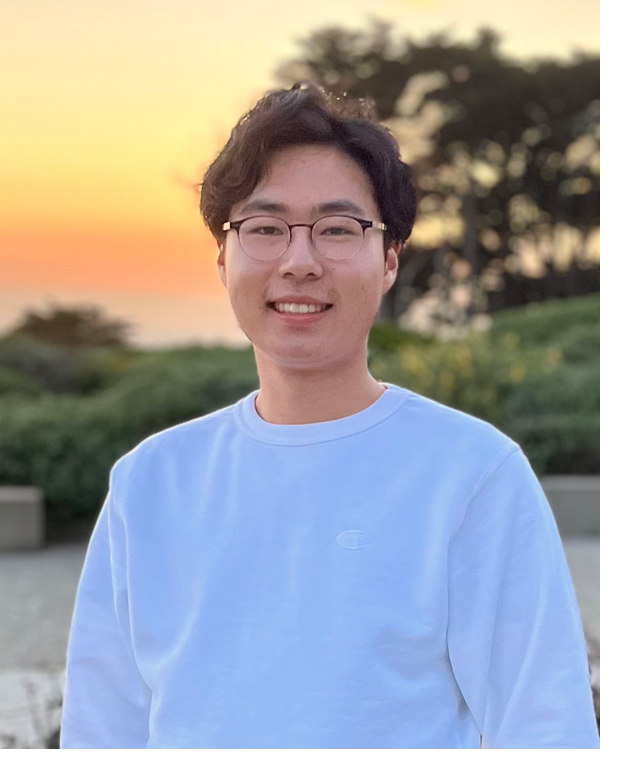 Tell me about what inspired you to study psychology.
I fell in love with psychology after taking AP Psychology in high school. Its interconnectedness and relevance to almost every aspect of life really interested me. I’m also drawn to how it can be used to understand and connect with others. I knew I wanted to study it in college, and at UW, with its amazing psychology program, it was an obvious choice for me.
What are some highlights of your UW experience so far?
One highlight of my UW experience is serving as President of the RSO ‘Psychology at UW’. I enjoy building community and creating meaningful experiences for psychology students at UW. Additionally, as a mentor in the Psychology Undergraduate Mentorship Program (PUMP), I’ve found it meaningful to give back to the community by providing personalized support and guidance to underclassmen interested in psychology. I also really appreciate all the research opportunities at UW. I’m involved in 3 labs: a psychology lab, a radiology lab, and a biomedical informatics lab, and have multiple publications and poster presentations from them. These experiences have given me confidence as a student and researcher.
Talk about what receiving the James Steele Scholarship means for you.
I am honored to receive the James Steele Scholarship because it gives me greater financial freedom to pursue my goals and serves as recognition of my commitment and dedication to the field.
What are your plans post-UW?
Post-UW, I want to pursue my PhD in clinical psychology and eventually become a licensed psychologist working in community-based integrated care settings, developing and evaluating interventions, and providing care for adults navigating substance use, mental health challenges, and stigma.
Sherry Zheng
 Tell me a little bit about your pathway to UW.
My pathway to UW was mainly shaped by the weather in Seattle. I went to high school in Philadelphia, where there isn’t much rain, and I realized I’m actually a “rainy person,” so I ended up coming to Seattle, which is known for its rainy days.
Tell me about what inspired you to study psychology.
What inspired me to study is DBT, which originated from one of the professors at UW, and as a person who receives both CBT and DBT, I want to study why those treatments work, and how to improve them.
What are some highlights of your UW experience so far?
My highlights are that UW is full of research resources, there are so many different psychology and neuroscience labs that my interests map on and it’s truly enthusiastic.
Talk about what receiving the James Steele Scholarship means for you.
Receiving the James Steele Scholarship is truly an honor for me! It definitely gives me a lot more time to work in research labs and do my own research! Thank you UW!
What are your plans post-UW?
I’m still in the process of deciding between pursuing a research career in clinical psychology or going into industry to find out how AI could improve treatments.
Sophia Kim
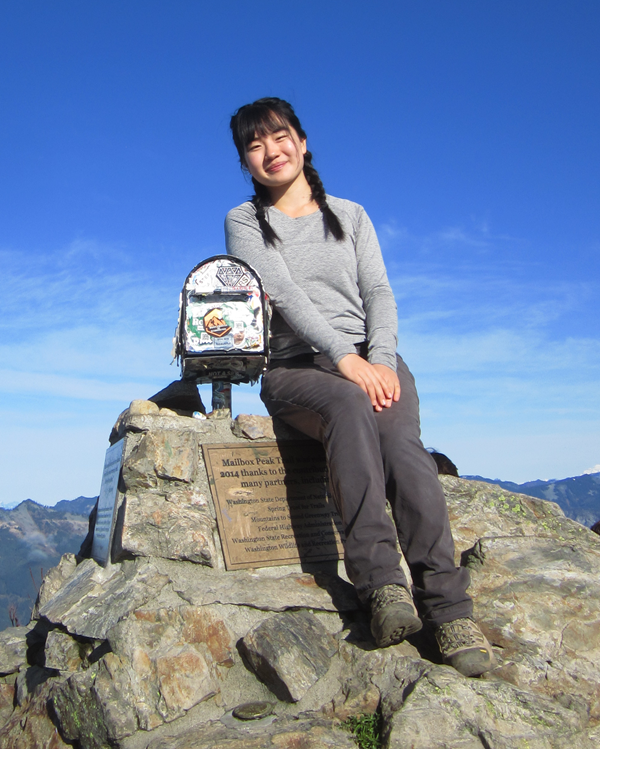 Tell me a little bit about your pathway to UW.
When I was exploring colleges in high school, I was drawn to UW for its strong psychology program and investment in research. I also love living in the Seattle area with its mountains, water, and arts scene!
Tell me about what inspired you to study psychology.
While working as a summer camp counselor throughout high school, I connected with children of various cultural backgrounds, abilities, and personalities. This experience sparked my curiosity about what shapes an individual’s unique cognition and behavior.
What are some highlights of your UW experience so far?
As I spent more time in the Seattle community going to UW, I witnessed how housing insecurity and addiction intersect and how mental health care is often inaccessible to those who need it most. This motivated me to join UW Medicine’s Harm Reduction Research and Treatment (HaRRT) Center as a research assistant. There, I help develop treatments to reduce the harms of substance use and improve quality of life for individuals in supportive housing. This experience has been one of the most transformative parts of my time at UW, shaping my goal of pursuing clinical psychology to expand access to care for underrepresented groups, including people experiencing homelessness, children in under-resourced areas, and racial minorities.
Talk about what receiving the James Steele Scholarship means for you.
Like many other students, I have experienced financial burdens in pursuing college education. Receiving this scholarship has helped alleviate some of this burden and allow me to dedicate more time to coursework, research, and volunteer involvement in the community. The James Steele Scholarship supports me to focus wholeheartedly on developing my goals in clinical psychology and preparing to pursue graduate education in the field.
What are your plans post-UW?
After earning my BS in Psychology, I plan to take a gap year to solidify my career interests before entering a PhD program Clinical Psychology. Through my education, I hope to become a mental health counselor for underrepresented communities, delivering care from a culturally aware perspective.
Tavio Tovar
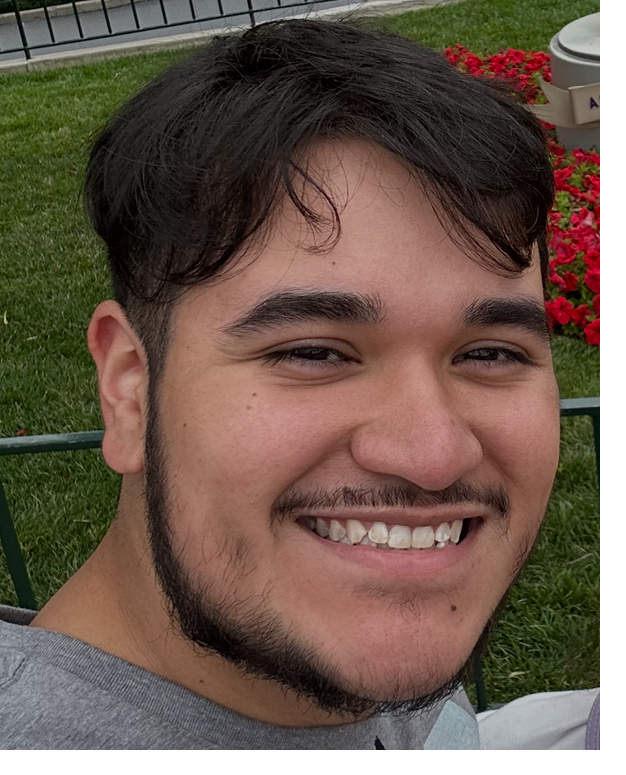 Tell me a little bit about your pathway to UW.
So a quick snapshot into my pathway into UW, is that I grew up in Wisconsin in a town of just under 6,000 people and I took two years off of school after high school until moving to Seattle in 2022 and once I moved I applied to Seattle central community college. After getting my AA at SCC I applied to UW and got into the university which I was excited for.
Tell me about what inspired you to study psychology.
What inspired me to study psychology is my mother and the overwhelming desire to help people in this world dealing with mental illness and the darkness that follows. Myself and my family deals with anxiety and depression and I want to learn and succeed in supporting others struggling with the same problems.
What are some highlights of your UW experience so far?
The highlights of UW so far is the staff and environment that UW provides. Having staff that truly care about your success has been my overall motivation in UW as completing tasks when people care is far easier then the ladder.
Talk about what receiving the James Steele Scholarship means for you.
Receiving the Steele scholarship is something that means so much to me in the moment and helps me reach to my goals I want to achieve. I recently quit my management job in August to focus on school as a whole. So being able to receive this kind of aid in this moment has been a real joy and honestly couldn’t have came at a better time in my life.
What are your plans post-UW?
My goals are to start with getting my masters in psychology and even if I find a great university that checks all my boxes I would like to get my doctorate in psychology as well. As well as ultimate goal is to have my own private practice in the mental health world.