

A long-standing and critical goal of the Psychology Department is to generate new knowledge that helps us understand the various factors that shape behavior and to advance innovative solutions to challenges in our society. Although uncertainties of the broader research funding environment have remained a major challenge to the department's research mission this past year, we are excited to highlight successes of faculty and postdoctoral fellows who secured new research support this past year:
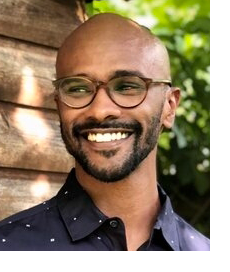 Dr. Sama Ahmed was awarded the Fellows to Faculty Award from the Simons Foundation: Brain-wide dynamics underlying behavioral multitasking in Drosophila
Success in life, for humans and all animals, requires multitasking. Multitasking, the simultaneous execution of two or more behaviors by a single agent, may at times seem effortless and safe, such as walking and talking, or challenging and potentially fatal, such as driving and texting. Performance differences between different multitasking contexts are likely reflected in the cognitive demands of the constituent behaviors, yet the neural substrates that facilitate or constrain multitasking remain unknown. Here we investigate global brain function during multitasking in the model system Drosophila, which has a rich repertoire of complex behaviors, a relatively simple nervous system, and an extensive toolset for precise neurogenetic experimentation. With this system, we investigate the role of neuromodulators, such as dopamine, on multitasking capabilities, and we test how multitasking affects sensorimotor processing and decision-making.
 Dr. Nastacia Goodwin No sustainable future can exist without understanding pollinator adaptations to climate change. Bumblebees are responsible for the pollination of most of Washington’s staple crops, yet are under threat from increasing temperatures and heatwaves, such as the 2022 and 2023 Washington state heat dome events. My research aims to identify genes that are responsible for physiological and behavioral climate resistance by exposing bees to 6-day sublethal heatwaves and examining their brains and behavior. I will use cutting edge machine learning techniques to track individual bees over time, analyzing their collective social behavior via social network analysis before, during, and after heat exposure. I will then be able to link individual behavior to brain gene expression. Our results will provide important translational insights on how heat waves affect brain function and behavior in a species that is critical for human survival, paving the way for promoting heat resistance bees and other social animals in the future.
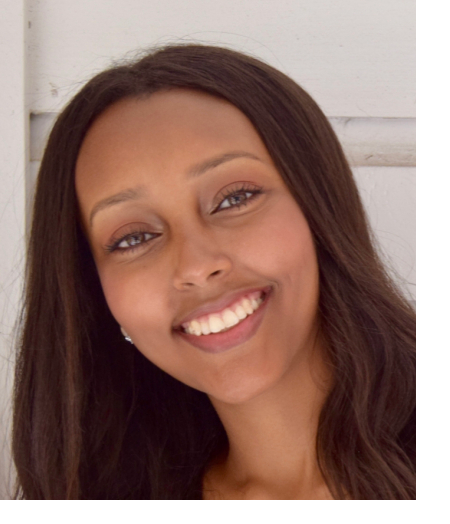 Dr. Sapna Cheryan and graduate student Fasika Hailu received a grant from the Russell Sage Foundation: Effects of Foreignness Stereotypes on Black Communities.
People who are perceived as culturally foreign often face prejudice and discrimination in the United States. Most research suggests that stereotypes of foreignness contribute to negative outcomes for immigrant groups. However, emerging evidence indicates that stereotypes of foreignness may be viewed differently for Black immigrants, who are sometimes perceived more positively than Black Americans. To better understand these perceptions, this project investigates how Americans view Black immigrants compared to Black Americans and whether these perceptions influence opportunities in education and other settings. A series of national surveys and experiments will examine stereotypes about Black immigrants and explore how these stereotypes shape discrimination. By identifying the beliefs that underlie unequal treatment, this research aims to advance the understanding of race, immigration, and social inequality in the United States.
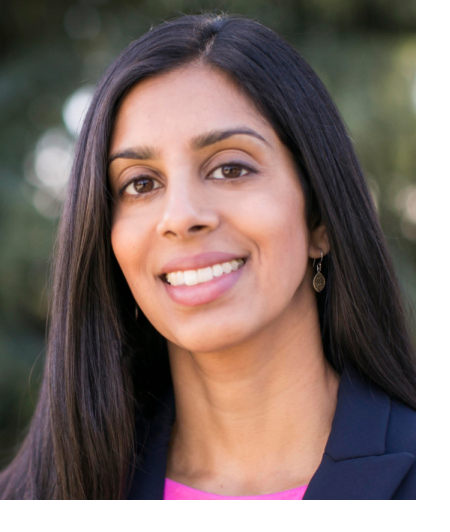 Dr. Sapna Cheryan received a grant from Universitè Paris Dauphine-PSL: Effects of Intersectional Gender Roles on Women in STEM.
Psychological theories about gender have relied on research showing that women and men face different gender role expectations. However, much of this foundational work was conducted with predominantly White American samples. This project looks at how women and men from different racial and ethnic groups describe the expectations placed on members of their own communities and how these perceptions may differ from traditional gender role theories. The project will further investigate whether women of different racial and ethnic backgrounds are more interested in opportunities when they are described in ways that align with their group’s unique gender role perceptions. The project aims to make research on gender more inclusive and to improve understanding of the factors that shape women’s sense of belonging, aspirations, and engagement.