

- When
- Wednesday, Jun 4, 2025, 3:30 – 4:30 pm
- Event interval
- Single day event
- Campus location
- Kincaid Hall (KIN)
- Campus room
- 102/108
- Accessibility contact
- chairpsy@uw.edu
- Event types
- Lectures/Seminars
- Description
At the Crossroads of Cognition and Emotion: From Basic Processes to Clinical Insights
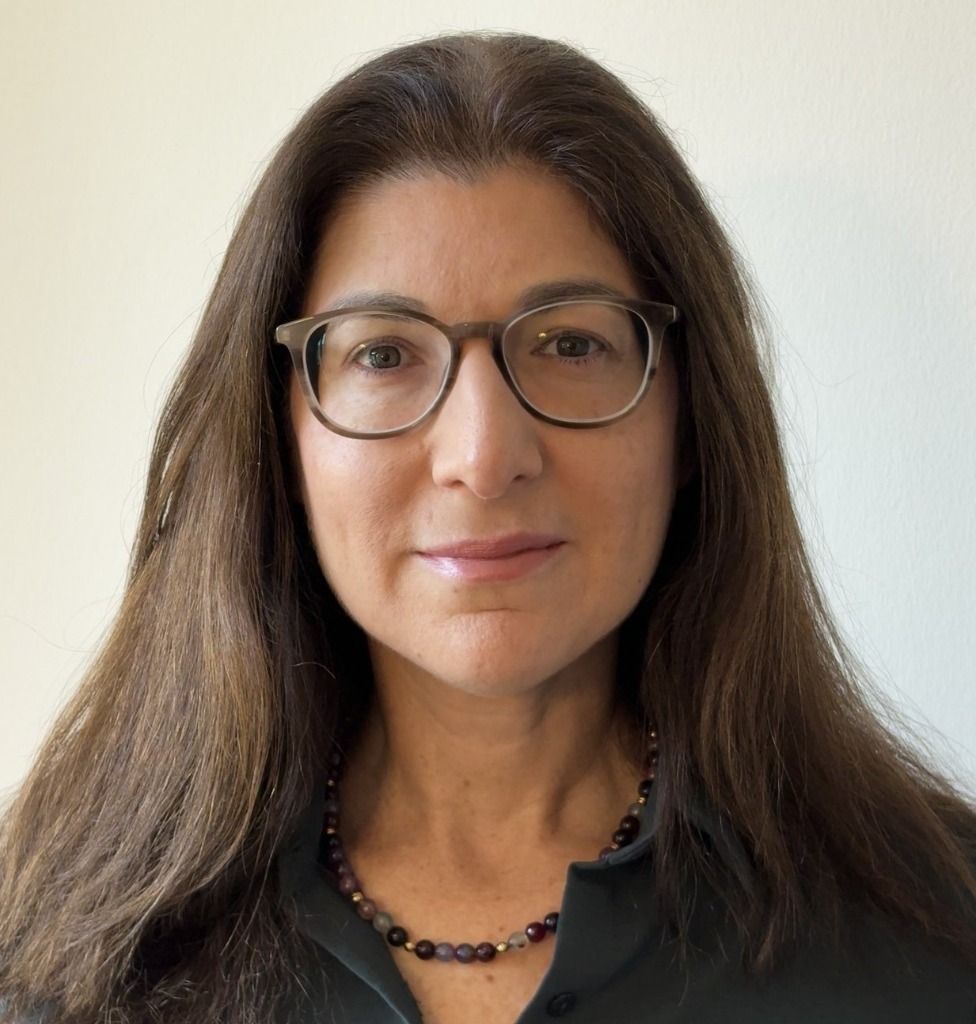
Hadas Okon-Singer, Department of Psychology, University of Haifa, Israel; and Max Planck Institute for Human Cognitive and Brain Sciences, Leipzig, Germany
Cognitive biases — such as attentional biases toward aversive cues, distorted expectations of negative events, and biased interpretations of ambiguity — are central features of many forms of psychopathology. Gaining a deeper understanding of the neurocognitive mechanisms underlying these biases is crucial for advancing theoretical models and clinical interventions.
In this talk, I will present a series of studies exploring emotional biases in both healthy individuals and participants diagnosed with social anxiety, major depressive disorder, and generalized anxiety disorder. First, I will discuss research on interpersonal distance estimation and preference among individuals with social anxiety and autism, as well as shifts in social distance perception during the COVID-19 pandemic. Second, I will introduce a cognitive-emotional task battery, combined with machine-learning analyses, designed to predict symptoms across anxiety and depression — two highly comorbid and overlapping conditions. I will also present recent evidence demonstrating that cognitive biases measured during pregnancy can predict the future development of postpartum depression and childbirth-related post-traumatic stress disorder. Finally, I will present findings from studies aimed at identifying factors that influence the effectiveness of cognitive training in reducing maladaptive symptoms associated with anxiety and depression.
Together, these findings suggest that cognitive biases can serve as valuable markers for diagnosing psychopathology and developing individualized cognitive interventions.
This lecture is made possible in part by a generous endowment from Professor Roger B. Loucks
Faculty host: Angela Fang
This is a hybrid event: https://washington.zoom.us/j/99658642422- Map
- View Google Map