

- When
- Thursday, May 28, 2026, 3:30 – 4:30 pm
- Event interval
- Single day event
- Campus location
- Kincaid Hall (KIN)
- Campus room
- KIN 102/108
- Accessibility contact
- chairpsy@uw.edu
- Event types
- Lectures/Seminars
- Event sponsors
- Department of Psychology
- Description
- When Contexts Fit: Social Exclusion and Inclusion and the Health of Minoritized Groups
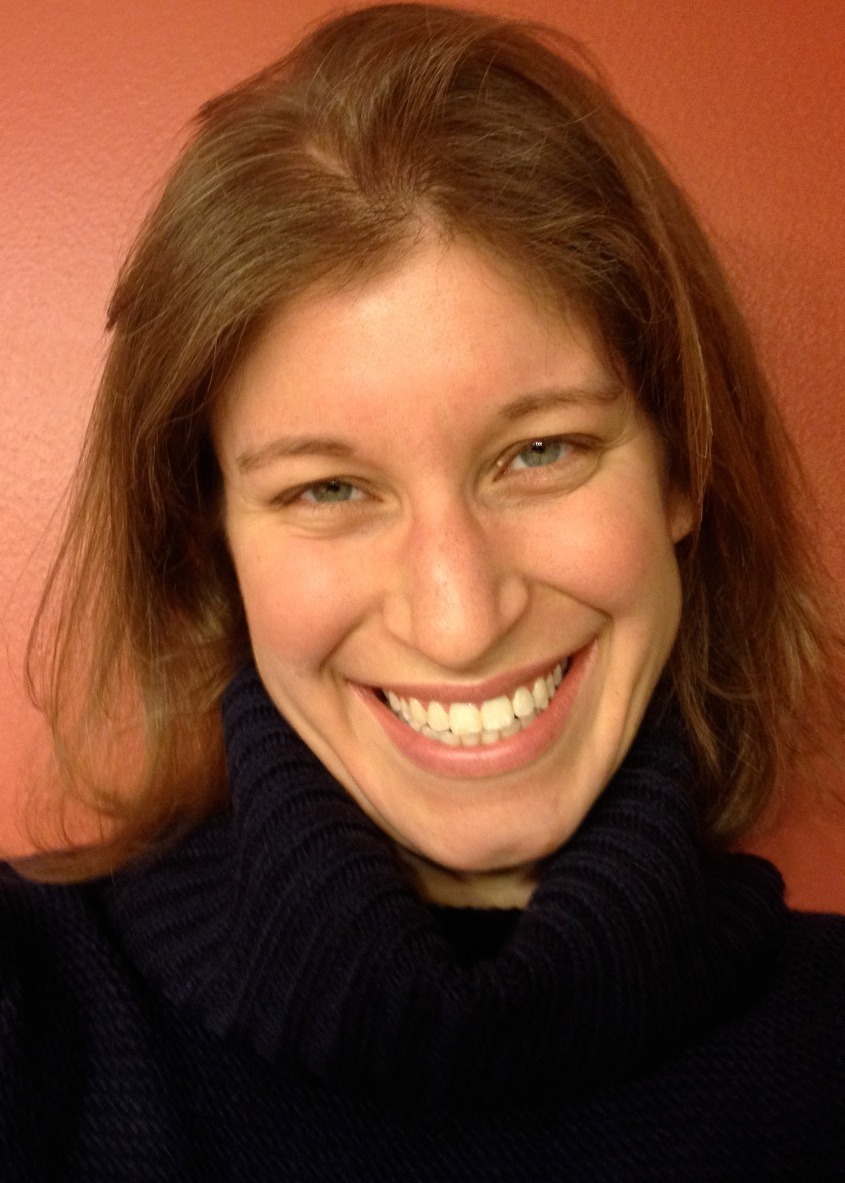
Cynthia Levine, PhD., Assistant Professor, Department of Psychology, University of Washington
Social exclusion is a major threat to health and well-being, especially for people with minoritized racial/ethnic identities, people from working-class backgrounds, and others who are marginalized in American society. In this talk, I present evidence that a lack of fit within communities and institutions is linked to worse health and well-being and that building more inclusive contexts has the potential to improve these outcomes among minoritized groups. One line of work focuses on gentrification, which is the process of higher-income residents moving into previously working-class neighborhoods. Gentrification might be expected to improve health because it brings resources such as healthy food, greenspace, and higher quality healthcare. However, I show that gentrification may harm lower-income residents’ health by reducing their sense of fit within their neighborhoods. In contrast, investment in working-class communities that prioritizes lower-income residents’ needs has the potential to preserve their sense of fit and protect their health. A second line of work examines how institutional contexts that align with the lived experiences of marginalized groups are linked to better health and well-being. Specifically, students of color have better health outcomes in schools that explicitly acknowledge race, and similar patterns emerge across other marginalized groups when schools signal respect for identity-based differences. Finally, I conclude by suggesting ways to include members of higher status groups alongside those with marginalized identities in building communities that are inclusive for all.
This free lecture is part of the promotion review for Dr. Levine in the Department of Psychology. - Map
- View Google Map